
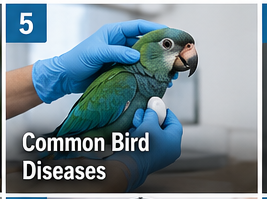
Parrots are intelligent, social, and beautiful birds that make incredible companions. However, like all pets, parrots are vulnerable to various illnesses and health conditions. Many bird owners struggle to recognize early signs of sickness because parrots naturally hide symptoms until they become seriously ill.
Understanding parrots health is essential for every bird owner. Detecting sick parrots symptoms early can save your pet’s life and prevent diseases from becoming severe. Whether you own a budgie, macaw, cockatiel, African Grey, or cockatoo, proper care and prevention are the keys to maintaining a healthy and happy bird.
In this complete guide, you will learn about the most common parrot diseases, warning signs, causes, treatments, and effective prevention methods to protect your feathered companion.
Why Parrot Health Is Important
Parrots are highly sensitive animals with delicate respiratory systems and unique nutritional needs. Unlike cats and dogs, birds often hide illnesses as a survival instinct. By the time symptoms become visible, the disease may already be advanced.
Regular monitoring and preventive care help:
- Increase lifespan
- Improve quality of life
- Prevent contagious diseases
- Reduce expensive veterinary treatments
- Strengthen your bond with your bird
Common Signs of a Sick Parrot
Before discussing specific diseases, it is important to recognize general sick parrots symptoms.
Warning Signs to Watch For
| Symptom | Possible Meaning |
|---|---|
| Fluffed feathers | Fever or weakness |
| Loss of appetite | Illness or stress |
| Nasal discharge | Respiratory infection |
| Sneezing | Allergies or infection |
| Weight loss | Parasites or malnutrition |
| Lethargy | Serious illness |
| Feather plucking | Stress or skin disease |
| Diarrhea | Digestive problems |
| Difficulty breathing | Respiratory disease |
| Changes in droppings | Infection or organ disease |
Any sudden behavioral or physical changes should be taken seriously.
Psittacosis (Parrot Fever)
Psittacosis is one of the most well-known parrot diseases. It is caused by a bacterium called Chlamydia psittaci.
Symptoms of Psittacosis
- Difficulty breathing
- Nasal discharge
- Green droppings
- Loss of appetite
- Weight loss
- Lethargy
How Parrots Get It
The disease spreads through:
- Infected droppings
- Feather dust
- Respiratory secretions
Psittacosis can also spread to humans, making it a zoonotic disease.
Prevention Tips
- Keep cages clean
- Quarantine new birds
- Avoid overcrowding
- Schedule regular vet checkups
Early veterinary treatment with antibiotics is usually effective.
Beak and Feather Disease (PBFD)
Psittacine Beak and Feather Disease is a serious viral infection affecting parrots worldwide.
Symptoms
- Abnormal feather growth
- Feather loss
- Weak beak
- Beak deformities
- Immune system weakness
Birds Commonly Affected
- Cockatoos
- African Greys
- Lovebirds
- Macaws
Prevention
There is no cure for PBFD, making prevention extremely important.
Preventive Measures
- Buy birds from reputable breeders
- Quarantine new birds
- Disinfect cages and toys regularly
- Avoid contact with infected birds
Respiratory Infections in Parrots
Respiratory diseases are common because parrots have sensitive lungs and air sacs.
Causes
- Poor ventilation
- Smoke exposure
- Mold
- Bacteria
- Viral infections
Symptoms
- Wheezing
- Tail bobbing
- Sneezing
- Open-mouth breathing
- Nasal discharge
Prevention
Keep Air Clean
Avoid:
- Cigarette smoke
- Aerosol sprays
- Strong perfumes
- Non-stick cookware fumes
Provide proper ventilation and maintain good cage hygiene.
Aspergillosis
Aspergillosis is a fungal infection caused by Aspergillus spores.
High-Risk Birds
- African Greys
- Macaws
- Immunocompromised parrots
Symptoms
- Difficulty breathing
- Weight loss
- Weakness
- Voice changes
Causes
The fungus grows in:
- Damp environments
- Moldy food
- Dirty cages
Prevention Tips
- Store food properly
- Remove spoiled food quickly
- Keep cages dry and clean
Parrot Malnutrition
Poor diet is one of the leading causes of health problems in parrots.
Common Nutritional Deficiencies
| Nutrient Deficiency | Health Problem |
|---|---|
| Vitamin A | Respiratory infections |
| Calcium | Weak bones |
| Protein | Poor feather quality |
| Vitamin D | Bone disorders |
Signs of Malnutrition
- Weakness
- Poor feather condition
- Obesity
- Fatty liver disease
Healthy Diet for Parrots
A balanced diet should include:
- Pellets
- Fresh vegetables
- Fruits
- Limited seeds
- Fresh water
Feather Plucking Disorder
Feather plucking is both a behavioral and medical problem.
Causes
- Stress
- Loneliness
- Skin infections
- Poor nutrition
- Boredom
Symptoms
- Bald patches
- Damaged feathers
- Excessive grooming
Prevention
Mental Stimulation
Provide:
- Toys
- Social interaction
- Climbing opportunities
- Puzzle feeders
Happy parrots are less likely to develop destructive behaviors.
Parasites in Parrots
Parrots can suffer from internal and external parasites.
External Parasites
Examples include:
- Mites
- Lice
Symptoms
- Itching
- Feather damage
- Restlessness
Internal Parasites
Examples include:
- Worms
- Protozoa
Symptoms
- Weight loss
- Diarrhea
- Weakness
Prevention
- Clean cages regularly
- Avoid contaminated food
- Schedule vet examinations
Egg Binding in Female Parrots
Egg binding occurs when a female bird cannot pass an egg properly.
Symptoms
- Straining
- Swollen abdomen
- Weakness
- Sitting at cage bottom
Causes
- Calcium deficiency
- Obesity
- Poor breeding condition
Prevention
- Proper calcium intake
- Balanced nutrition
- Regular exercise
Egg binding is a medical emergency requiring immediate veterinary care.
Fatty Liver Disease
Fatty liver disease is common in overweight parrots fed high-fat diets.
High-Risk Foods
- Excessive sunflower seeds
- Junk food
- Sugary treats
Symptoms
- Obesity
- Weakness
- Overgrown beak
- Feather discoloration
Prevention
Healthy Lifestyle
- Encourage exercise
- Feed balanced diets
- Limit fatty seeds
Avian Gastric Yeast Infection
This digestive disease affects a bird’s stomach and digestive tract.
Symptoms
- Vomiting
- Weight loss
- Undigested food in droppings
- Weakness
Prevention
- Maintain cage hygiene
- Avoid contaminated food
- Provide fresh water daily
Bumblefoot in Parrots
Bumblefoot is a painful foot infection caused by pressure sores and bacteria.
Causes
- Dirty perches
- Obesity
- Improper cage setup
Symptoms
- Swollen feet
- Limping
- Red sores
Prevention
Proper Perches
Use:
- Natural wood perches
- Different perch sizes
- Clean cage flooring
Stress-Related Illnesses
Stress significantly affects parrots health.
Common Stress Triggers
- Loud noises
- Lack of attention
- Poor sleep
- Sudden environmental changes
Effects of Stress
- Weak immune system
- Feather plucking
- Aggression
- Appetite loss
Prevention
Provide:
- Consistent routine
- Quiet sleeping environment
- Daily interaction
Importance of Regular Veterinary Care
Routine veterinary visits are essential for disease prevention.
Benefits of Regular Checkups
- Early disease detection
- Nutritional guidance
- Parasite screening
- Weight monitoring
Bird owners should consult avian veterinarians experienced with exotic birds.
How to Keep Your Parrot Healthy
Daily Health Checklist
| Task | Importance |
|---|---|
| Fresh water | Prevent dehydration |
| Healthy diet | Supports immunity |
| Clean cage | Prevents infections |
| Social interaction | Reduces stress |
| Exercise | Maintains healthy weight |
| Observe droppings | Detects illness early |
Consistency is key to long-term health.
Foods That Improve Parrot Health
Healthy Foods
- Carrots
- Spinach
- Apples
- Blueberries
- Sweet potatoes
- Cooked grains
Foods to Avoid
- Chocolate
- Avocado
- Alcohol
- Caffeine
- Onion
- Garlic
Certain human foods can be toxic to parrots.
Quarantine for New Birds
Introducing a new bird without quarantine can spread diseases.
Recommended Quarantine Period
At least 30–45 days.
During Quarantine
- Use separate cages
- Wash hands after handling
- Monitor for symptoms
This simple step can prevent serious outbreaks.
Emergency Symptoms That Need Immediate Vet Attention
Seek veterinary care immediately if your parrot shows:
- Severe breathing difficulty
- Bleeding
- Seizures
- Inability to perch
- Continuous vomiting
- Sudden collapse
Bird illnesses can worsen rapidly, so quick action is critical.
Beginner Tips for Maintaining Parrots Health
Essential Tips
- Feed a balanced diet
- Keep cages clean
- Avoid toxic fumes
- Provide daily interaction
- Schedule regular vet visits
- Monitor droppings and behavior
Healthy parrots are active, alert, vocal, and curious.
Frequently Asked Questions
What are the most common sick parrots symptoms?
Common symptoms include fluffed feathers, weight loss, lethargy, breathing problems, appetite loss, and abnormal droppings.
Can parrots spread diseases to humans?
Yes. Some diseases like psittacosis can infect humans, though this is relatively uncommon with proper hygiene.
How often should parrots visit the vet?
Parrots should have annual veterinary checkups, even if they appear healthy.
What is the best diet for parrots health?
A balanced diet includes pellets, fresh vegetables, fruits, and limited seeds.
Why do parrots hide illness?
In the wild, birds hide weakness to avoid predators. This instinct continues in pet parrots.
Final Thoughts
Maintaining excellent parrots health requires attention, patience, and preventive care. Because parrots often hide illness, bird owners must stay alert to early sick parrots symptoms and act quickly when something seems wrong.
Proper nutrition, clean living conditions, mental stimulation, and regular veterinary visits can dramatically reduce the risk of disease. Whether you own a small budgie or a large macaw, understanding common parrot diseases helps ensure your feathered companion enjoys a long, healthy, and happy life.
A healthy parrot is energetic, social, curious, and vibrant. With the right care, your bird can become a lifelong companion and cherished member of the family.