
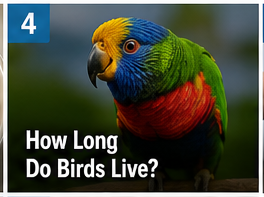
How Long Do Parrots Live?
Parrots are among the most intelligent and fascinating birds in the world. One of the biggest surprises for new bird owners is discovering just how long these colorful companions can live. Unlike many household pets, parrots often have incredibly long lifespans, with some species living for several decades and even outliving their owners.
If you are considering getting a parrot or already own one, understanding the average parrots lifespan is essential. Different species have different life expectancies, and factors like diet, environment, healthcare, and mental stimulation play a major role in determining how long a parrot lives.
In this complete guide, you will learn everything about pet parrots life expectancy, including lifespan comparisons, factors that affect longevity, care tips, and answers to common questions.
Average Parrot Lifespan by Species
Not all parrots live the same number of years. Smaller parrots usually have shorter lifespans, while larger parrots can live for decades.
Parrot Lifespan Comparison Table
| Parrot Species | Average Lifespan | Lifespan in Captivity |
|---|---|---|
| Budgie (Parakeet) | 5–15 years | Up to 20 years |
| Cockatiel | 10–20 years | Up to 25 years |
| Lovebird | 10–15 years | Up to 20 years |
| African Grey Parrot | 40–60 years | Up to 70 years |
| Macaw | 30–50 years | Up to 80 years |
| Amazon Parrot | 25–50 years | Up to 60 years |
| Cockatoo | 40–70 years | Up to 80 years |
| Conure | 15–30 years | Up to 35 years |
| Eclectus Parrot | 30–50 years | Up to 60 years |
As you can see, some parrots have astonishingly long lives. Large species such as macaws and cockatoos require long-term commitment because they may remain with a family for generations.
Why Do Parrots Live So Long?
Parrots are unique among birds because of their advanced intelligence, social behavior, and adaptability. Their long lifespan is linked to several biological and environmental factors.
1. Strong Survival Instincts
Parrots are highly intelligent creatures capable of learning, problem-solving, and adapting to different situations. These traits help them survive longer both in the wild and captivity.
2. Excellent Memory and Intelligence
Species like African Grey parrots are known for remarkable intelligence. Their cognitive abilities reduce stress and help them adapt to environmental changes.
3. Proper Captive Care
In captivity, parrots are protected from predators, food shortages, and harsh weather conditions. With good care, many pet parrots live significantly longer than wild parrots.
Factors That Affect Parrots Lifespan
Several important factors influence a parrot’s longevity.
Diet and Nutrition
A healthy diet is one of the most important aspects of extending pet parrots life expectancy.
Healthy Foods for Parrots
- Fresh fruits
- Leafy vegetables
- High-quality pellets
- Nuts and seeds in moderation
- Clean fresh water
Foods to Avoid
- Chocolate
- Avocado
- Alcohol
- Caffeine
- Salty foods
- Sugary snacks
Poor nutrition can lead to obesity, liver disease, and shortened lifespan.
Exercise and Physical Activity
Parrots need regular movement and exercise to stay healthy.
Why Exercise Matters
Lack of exercise can cause:
- Obesity
- Depression
- Weak muscles
- Heart problems
Allowing parrots time outside the cage daily helps improve both physical and mental health.
Mental Stimulation and Social Interaction
Parrots are social birds that thrive on attention and engagement.
Signs of a Lonely Parrot
- Feather plucking
- Aggressive behavior
- Excessive screaming
- Depression
Providing toys, puzzles, and daily interaction greatly improves their quality of life.
Veterinary Care
Routine veterinary visits are essential for detecting health issues early.
Recommended Health Care
- Annual bird checkups
- Nail and beak trimming
- Parasite prevention
- Weight monitoring
Bird owners should seek veterinarians experienced with exotic birds.
Environment and Housing
A clean and safe environment significantly affects lifespan.
Ideal Cage Conditions
| Requirement | Recommendation |
|---|---|
| Cage Size | Large enough for wing stretching |
| Lighting | Natural daylight or UV lighting |
| Temperature | Stable and moderate |
| Cleanliness | Daily cleaning recommended |
| Air Quality | Smoke-free environment |
Poor housing conditions can lead to respiratory infections and stress-related illnesses.
Lifespan of Popular Pet Parrots
Budgies (Parakeets)
Budgies are one of the most popular pet birds due to their small size and friendly personality.
Average Lifespan
- 5–15 years
- Some reach 20 years with excellent care
Lifespan Tips
- Balanced diet
- Spacious cage
- Daily interaction
Cockatiel Lifespan
Cockatiels are affectionate birds that bond closely with their owners.
Average Lifespan
- 10–20 years
- Up to 25 years in captivity
Common Health Risks
- Fatty liver disease
- Respiratory infections
- Stress
African Grey Parrot Lifespan
African Greys are famous for their intelligence and talking ability.
Average Lifespan
- 40–60 years
- Some exceed 70 years
Important Care Tips
- Mental stimulation
- Large cage
- Daily social interaction
Because of their long lives, African Greys require serious long-term commitment.
Macaw Lifespan
Macaws are among the longest-living parrots in the world.
Average Lifespan
- 30–50 years
- Some live over 80 years
Key Factors for Longevity
- Large flying space
- Nutritious diet
- Emotional bonding
Macaws need substantial care and attention due to their intelligence and size.
Cockatoo Lifespan
Cockatoos are affectionate but emotionally demanding birds.
Average Lifespan
- 40–70 years
- Some reach 80 years
Emotional Needs
Cockatoos can develop severe emotional problems if neglected.
How to Increase Your Parrot’s Lifespan
If you want your parrot to live a long and happy life, focus on these essential care tips.
1. Provide Balanced Nutrition
A healthy diet should consist mostly of pellets, vegetables, and fruits.
2. Encourage Daily Exercise
Flying and climbing help maintain strong muscles and cardiovascular health.
3. Offer Mental Enrichment
Rotate toys regularly and teach tricks to keep parrots mentally active.
4. Maintain Hygiene
Clean cages and food bowls daily to prevent bacterial infections.
5. Reduce Stress
Keep parrots away from:
- Loud noises
- Cigarette smoke
- Sudden environmental changes
Common Causes of Death in Pet Parrots
Understanding common health risks can help owners prevent premature death.
Respiratory Diseases
Birds have sensitive respiratory systems and are vulnerable to:
- Smoke
- Aerosol sprays
- Non-stick cookware fumes
Malnutrition
Seed-only diets often lead to vitamin deficiencies.
Accidents
Common household dangers include:
- Open windows
- Ceiling fans
- Toxic plants
Stress and Depression
Loneliness can negatively impact a parrot’s physical health.
Wild vs Captive Parrot Lifespan
Wild parrots often face challenges that reduce their lifespan.
Threats include:
- Predators
- Food shortages
- Harsh weather
- Habitat destruction
Captive Parrots
Benefits include:
- Veterinary care
- Consistent food supply
- Protection from predators
As a result, captive parrots often live longer than wild parrots.
Signs Your Parrot Is Aging
Older parrots may show physical and behavioral changes.
Common Signs of Aging
- Reduced activity
- Weight changes
- Arthritis
- Cloudy eyes
- Sleeping more frequently
Senior parrots require extra care and regular health monitoring.
Interesting Facts About Parrot Lifespan
Did You Know?
- Some parrots can live longer than humans.
- Certain macaws have reportedly reached nearly 100 years old.
- Parrots are among the smartest bird species on Earth.
- Larger parrots generally live longer than smaller parrots.
Is a Parrot the Right Pet for You?
Before adopting a parrot, consider the responsibilities involved.
Important Questions to Ask
- Can you commit for decades?
- Do you have time for daily interaction?
- Can you afford veterinary care?
- Do you have enough space?
Parrots are rewarding companions but require patience, dedication, and consistent care.
Beginner-Friendly Parrots With Moderate Lifespans
If you are new to bird ownership, some species are easier to manage.
| Beginner Parrot | Lifespan | Difficulty Level |
|---|---|---|
| Budgie | 5–15 years | Easy |
| Cockatiel | 10–20 years | Easy |
| Lovebird | 10–15 years | Moderate |
| Green-Cheek Conure | 15–25 years | Moderate |
These species are generally suitable for beginners due to their manageable size and care requirements.
Frequently Asked Questions
How long do parrots live as pets?
Pet parrots can live anywhere from 5 years to over 80 years depending on the species and quality of care.
Which parrot lives the longest?
Large species like macaws and cockatoos are among the longest-living parrots.
Do parrots live longer in captivity?
Yes. Captive parrots often live longer due to better nutrition, medical care, and protection from predators.
Can diet affect parrots lifespan?
Absolutely. Poor nutrition is one of the leading causes of health problems in parrots.
Are parrots high-maintenance pets?
Yes. Parrots require daily social interaction, mental stimulation, exercise, and proper healthcare.
Final Thoughts
Understanding parrots lifespan is essential before bringing one home. These intelligent birds are not short-term pets; many species require lifelong dedication and care. Proper nutrition, mental stimulation, veterinary care, and a safe environment can dramatically improve pet parrots life expectancy.
Whether you choose a small budgie or a majestic macaw, providing love and responsible care will help your feathered companion enjoy a long, healthy, and fulfilling life.
Parrots are more than pets — they become family members, lifelong companions, and unforgettable friends.